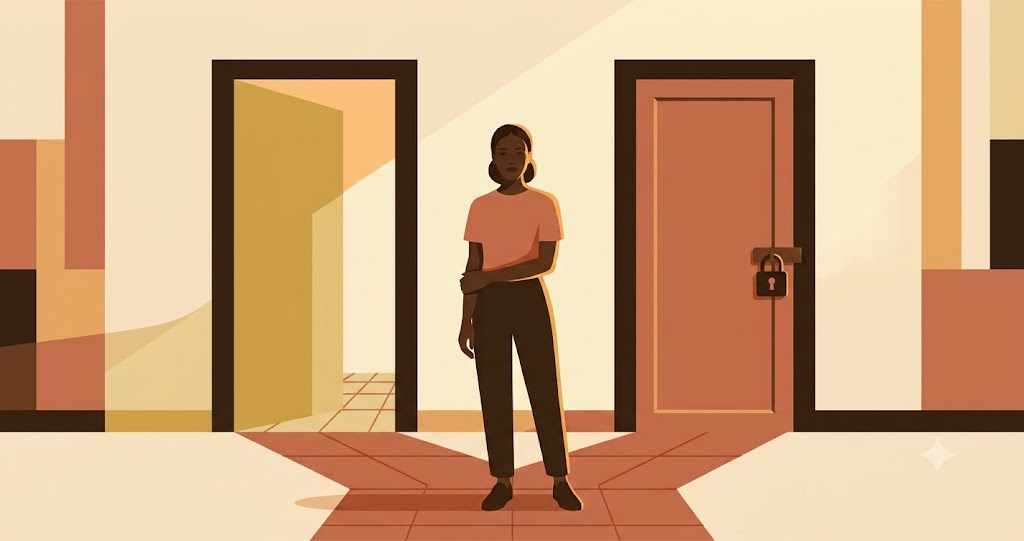
Is the word “No” really that difficult to say? I think the world would be a better place if everyone accepted “No” as a complete sentence instead of trying to persuade the speaker further.
So, what happened?
I was recently in a gathering with friends; we vibed, laughed, and made jokes. In the midst of the fun, a senior colleague among us decided to reduce the number of single people in the world by doing a bit of matchmaking. No big deal, I suppose; anyone can easily opt out, after all, we all knew each other.
I was called out along with another colleague. A beautiful lady, I must say. I was asked for my opinion on the matter, and since both parties would still discuss the possibility of anything happening with each other, I agreed to see where it would lead.
The lady had her reservations, but later agreed. Probably just friends getting to know more about each other after all. And that’s the issue, why agree to something when you aren’t pleased with it? She agreed to discussions to see where things lead, but the next day, the senior colleague reached out to me to shut down everything regarding the matter. My beautiful match had reached out to the senior colleague, explaining that she agreed to the whole arrangement in a bid to put the whole conversation to an end and not get further persuaded.
That moment got me thinking. How often do we say YES simply because saying NO feels more difficult? I’ve also been in situations where saying YES meant having a breathing space, just to get out of a conversation without the back-and-forth. But that, in its own way, is a form of deception. A deception that puts the other party at the receiving end. And no one likes being on the receiving end of what is false.
Saying NO when you don’t agree is far better than saying YES only to withdraw later. At the point of saying YES, the other person starts planning. They adjust their schedule, prepare their home, reserve a seat for you, or simply look forward to your presence and other events as the context might require. And all of a sudden, there’ll be a NO, which puts all previous efforts and arrangements into futility. A dishonest YES doesn’t just delay the truth; it creates expectations that someone else begins to carry.
If you disagree with an idea, make it known. Never feel pressured to say YES. And if someone tells you NO, believe the person. Never feel entitled to corner or persuade them into saying YES. Everyone should respect people’s choices of either YES or NO.
Perhaps the real problem isn’t that people struggle to say NO. Perhaps it’s that many of us have made NO feel unacceptable. When every refusal is met with persuasion, guilt, or endless questioning, people learn that a dishonest YES is the easiest escape.
It’s high time we started respecting people’s honesty. Be honest with your responses and don’t get pressured into doing something you don’t want. Honesty is not difficult; we just don’t know whether the truth will be accepted. But a truthful NO will always be kinder than a dishonest YES.
Respecting a person’s NO, not probing or trying to persuade them to a YES, is what makes it easier for them to be honest the next time.